FREE CONSULTATION
(256) 582-3189
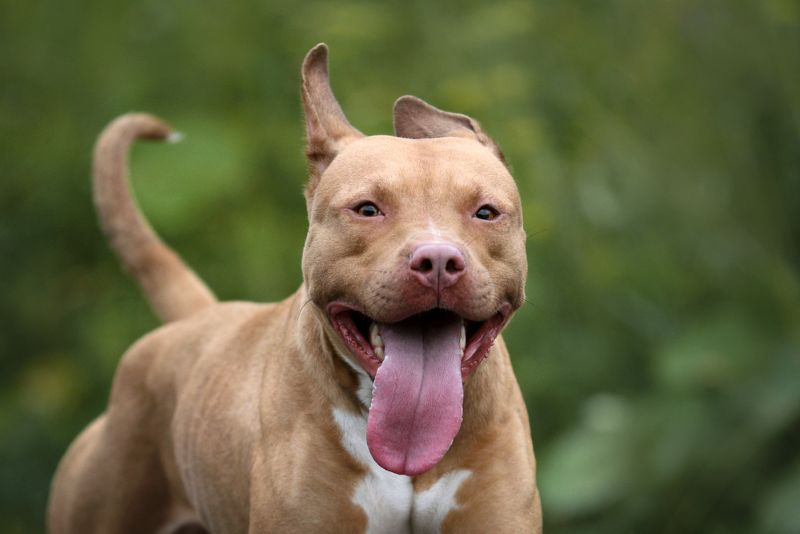
Dog bites can cause serious injuries, particularly when children, elderly individuals, or other vulnerable people are involved. Beyond the immediate pain, victims may face expensive medical treatment, permanent scarring, infections, and emotional distress. When these injuries result from an attack by someone else's dog, an important question arises: Can the owner be held legally responsible?
Alabama has specific laws governing dog bite liability, but determining whether an owner is responsible depends on several factors. Where the attack occurred, whether the victim provoked the animal, and whether the owner knew the dog was dangerous can all influence a claim.
For residents of Guntersville, Marshall County, and throughout Northern Alabama, understanding these laws can help injured individuals determine whether they may be entitled to compensation.
Under Alabama Code Section 3-6-1, a dog owner can be held liable when their dog bites or injures someone without provocation, provided certain conditions are met.
The law generally applies when:
For example, suppose a Guntersville resident visits a neighbor's home and is bitten by the neighbor's dog while standing in the driveway. If the visitor was lawfully on the property and did not provoke the animal, the owner may be liable under Alabama's dog bite statute.
However, the statute does not automatically apply to every dog bite in Alabama. Attacks occurring on public sidewalks, in parks, or on property unrelated to the dog's owner may require a different legal approach.
Alabama recognizes common-law principles often described as the "one-bite rule," although the phrase can be misleading.
Under traditional common-law liability, an injured person generally must establish that the owner knew or had reason to know about the dog's dangerous tendencies.
This does not necessarily mean the dog must have bitten someone previously.
Evidence of dangerous behavior may include:
For example, if a dog repeatedly lunged at visitors and its owner ignored complaints, that history might help establish the owner's knowledge of the danger.
Alabama's statutory dog bite provisions offer a separate basis for liability in qualifying circumstances. Therefore, a dog owner may still face liability for a first bite, depending on where the incident occurred and the available evidence.
Yes. A previous bite is not always necessary to establish liability in Alabama.
Under Section 3-6-1, a qualifying unprovoked attack on the owner's property can establish statutory liability even without proof of an earlier bite.
However, Alabama Code Section 3-6-3 allows an owner to limit damages under that statutory claim by proving they had no knowledge of circumstances indicating that the dog was vicious, dangerous, or mischievous.
If the owner successfully establishes this defense, their liability under the statute is limited to the actual expenses resulting from the injury.
This distinction matters because an injured person may otherwise seek compensation for losses extending beyond medical bills, including pain, suffering, and other damages.
Our Northern Alabama dog bite and animal attack attorneys can evaluate the circumstances of an attack and determine which legal theories may apply.
Dog attacks frequently occur in neighborhoods, public parks, parking lots, and other locations away from the owner's home.
When an attack occurs outside the property owned or controlled by the dog owner, Alabama Code Section 3-6-1 generally does not apply unless the dog immediately pursued the victim from that property.
However, this does not necessarily prevent the injured person from pursuing compensation.
Depending on the circumstances, other legal theories may be available, including claims involving a dangerous animal whose owner knew or should have known of its dangerous tendencies.
Alabama Code Section 3-1-3 also addresses liability involving the careless management of dangerous animals or allowing them to roam freely.
For example, if a dog with a known history of aggression escapes from an improperly secured yard and attacks a pedestrian in Guntersville, the owner may face liability based on the animal's known dangerous behavior and the circumstances surrounding its escape.
Local animal control ordinances and leash requirements may also be relevant when evaluating an owner's conduct.
Provocation can significantly affect a dog bite claim in Alabama.
Because Section 3-6-1 specifically addresses unprovoked attacks, an owner may dispute statutory liability by arguing that the injured person provoked the animal.
However, determining whether conduct constitutes provocation requires examining the actual circumstances.
For example, intentionally striking or tormenting an animal may raise different legal questions than accidentally startling a dog while walking nearby.
Alabama also follows a strict contributory negligence doctrine in many personal injury cases. If an injured person's own negligence legally contributed to an injury, that finding can potentially prevent recovery under applicable negligence-based claims.
The precise effect of a victim's conduct depends on the legal claim, the evidence, and any applicable exceptions.
Dog attacks can result in substantial physical, emotional, and financial consequences.
Depending on the applicable legal theory and the available evidence, injured individuals may be able to pursue compensation for:
The amount recoverable depends on the severity of the injuries and the legal basis for the claim.
As discussed above, Alabama's statutory limitation on damages may apply when an owner proves a lack of knowledge concerning the dog's dangerous tendencies.
For serious attacks involving permanent injuries, identifying the correct basis for liability is particularly important.
Taking appropriate steps after a dog attack can protect your health and preserve important evidence.
If you or a family member is bitten by a dog in Guntersville or elsewhere in Northern Alabama, consider the following actions:
It may also be helpful to document any information about previous aggressive behavior or complaints involving the dog.
Because evidence can become more difficult to obtain over time, early documentation can be particularly valuable.
Most Alabama personal injury lawsuits, including many dog bite claims, are subject to a two-year statute of limitations under Alabama Code Section 6-2-38.
Generally, this means an injured person has two years from the date of the attack to file a lawsuit, although exceptions may apply.
Missing the applicable deadline can prevent an injured person from pursuing compensation through the courts.
Consulting an attorney before the deadline approaches can help ensure that important evidence is preserved and any potential legal claims are evaluated in time.
Dog bites can cause lasting injuries and significant financial hardship. If you or a loved one has been attacked by someone else's dog, understanding Alabama's liability laws is an important step toward protecting your rights.
At Beard, Beard & Harris, we represent injured individuals and families in Guntersville, Marshall County, and throughout Northern Alabama. Our attorneys can investigate the circumstances of an animal attack, evaluate potential liability, and help you pursue compensation when permitted under Alabama law.
If you have questions about a dog bite injury, contact Beard, Beard & Harris to discuss your situation with our team.